Mikomiks
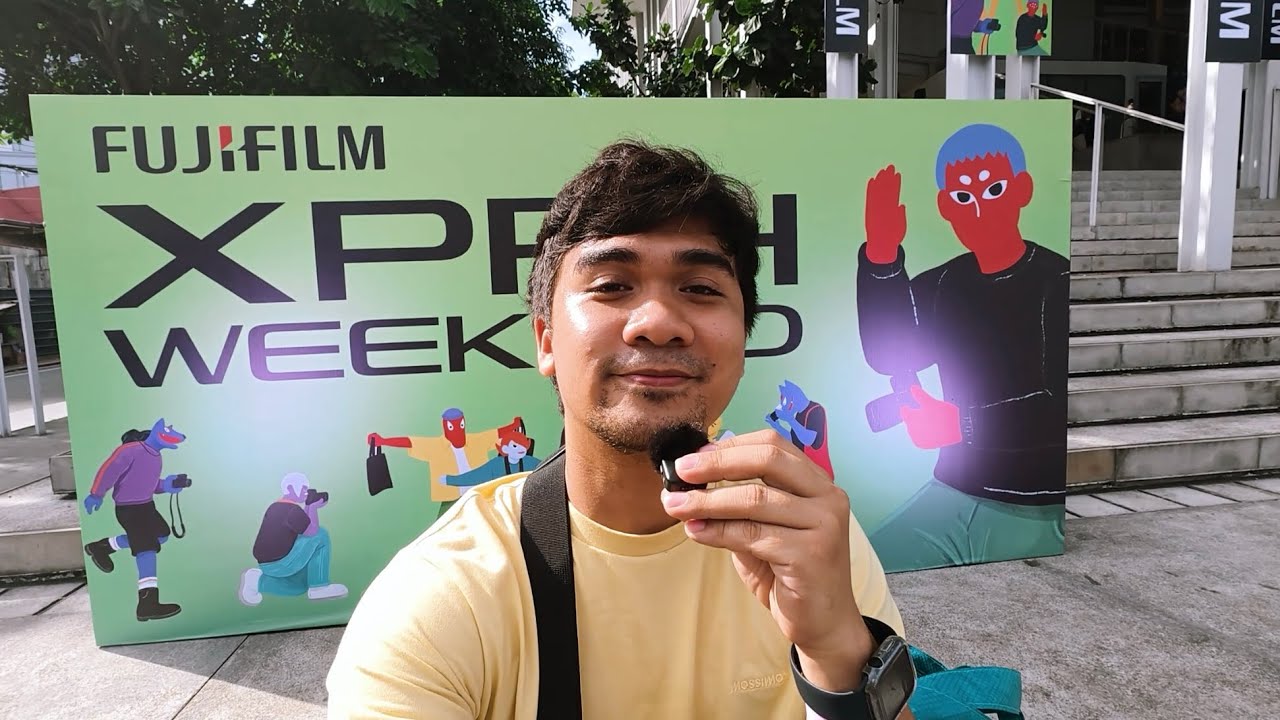
A day at Fujifilm XPPH Weekend 2026 got me curious about photography and videography — and thinking about what it means to explore outside your main craft.
Read entryRecently, I've been getting more interested in photography and videography.
I've always been drawn to visual things, so I guess it wasn't too surprising that I eventually became curious about photography. I'm used to creating images through drawing and design, but there's something different about creating an image by simply looking around you and finding something worth capturing.
So when I had the chance to visit Fujifilm XPPH Weekend 2026, I figured I'd take the opportunity to explore.
I went with my friend Potopleb, and we spent the day checking out the event, trying out some Fujifilm cameras, listening to Fuji Talks, playing a few games, and just enjoying the atmosphere.
It was honestly just a fun day out.
But somewhere along the way, I realized that I was learning more than I expected.
One thing I've noticed while getting into photography is that it makes me pay more attention to my surroundings.
As an illustrator, I'm used to creating things from my imagination. I think about characters, compositions, colors, shapes, and how I want an image to feel.
Photography makes me approach that process from the opposite direction.
Instead of creating everything myself, I have to look.
I have to notice the lighting. The composition. The little moments happening around me. The way people interact with their environment.
Even something as simple as walking around with a camera makes me more conscious of the kinds of images that catch my attention.
And I think that's something I can bring back into my illustration and design work.
As creatives, I think we sometimes feel like we have to stay within our "thing." If you're an illustrator, you should illustrate. If you're a designer, you should design. If you're a photographer, you should photograph.
But I've started to realize that creativity doesn't really work that way.
Learning photography doesn't mean I have to become a professional photographer. Learning videography doesn't mean I have to abandon illustration. Trying something new doesn't invalidate the things I've already spent years learning.
If anything, it can give those skills somewhere new to go.
Photography can teach me about composition. Videography can teach me about pacing and storytelling. Graphic design can influence how I frame a photograph. Illustration can influence how I approach visual concepts.
Everything starts connecting.
That's probably what I enjoyed most about the event.
It wasn't really about finding the "perfect" camera or suddenly becoming an expert at photography.
It was about being surrounded by people who are also interested in making things.
There was something motivating about seeing other creatives learning, experimenting, talking about their work, and simply enjoying the process.
Sometimes that's all you need. A reminder that there are still things you haven't tried yet. Things you can learn. Different ways of looking at the world.
And maybe that's why I've been enjoying photography lately. It gives me another way to be curious.
I don't know where photography and videography will take me. Maybe they'll become a bigger part of my creative work. Maybe they'll just remain something I enjoy on the side.
And honestly, I'm okay with either.
I'm starting to think that not every creative interest needs to become a career, a project, or even something I'm particularly good at. Sometimes it's enough to simply enjoy learning something new.
Because you never really know what you'll bring back with you. A new technique. A different perspective. A new way of telling a story. Or maybe just a little more inspiration to keep making things.
That's what I took away from XPPH Weekend.
Sometimes, stepping away from your main craft is exactly what helps you see it differently when you come back.
Thanks to Potopleb for joining me on this little creative adventure.
And of course, thanks to everyone who made XPPH Weekend 2026 a fun experience.
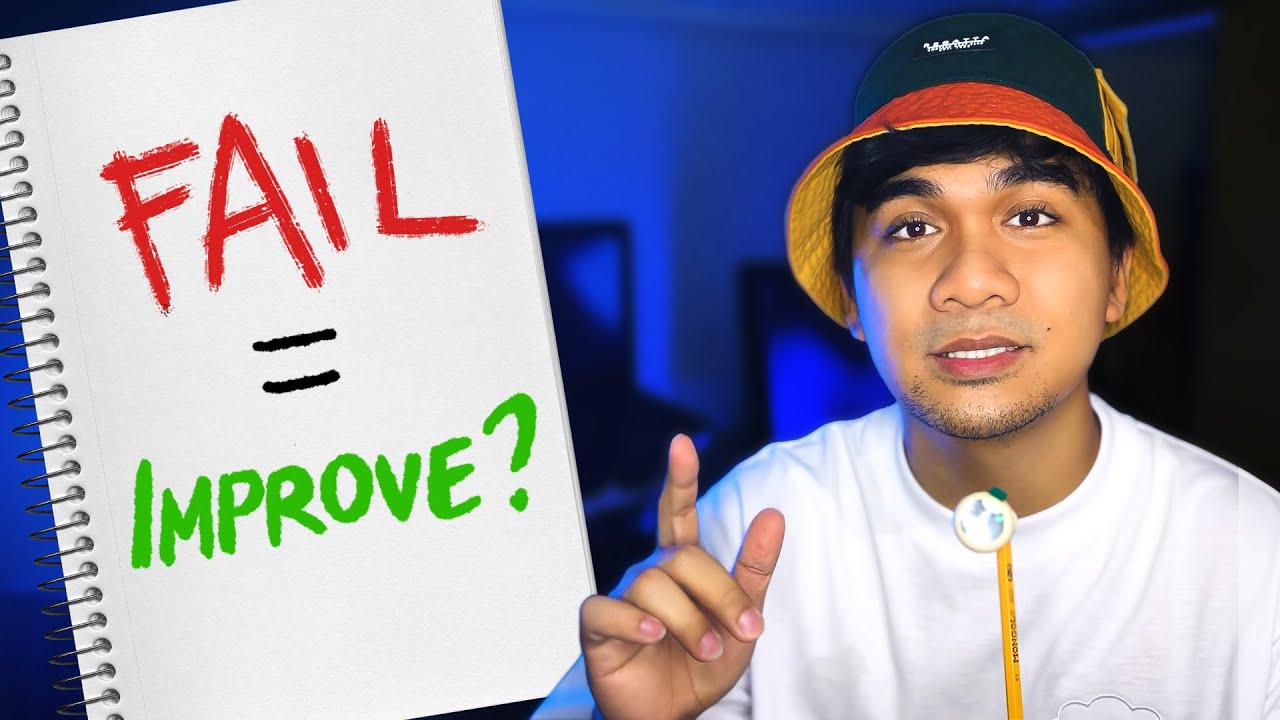
Failing is scary, but it's one of the most valuable parts of becoming an artist. Some thoughts on mistakes, growth, and giving yourself permission to be bad at something first.
Read entryIf you're a beginner artist, there's probably a part of you that's scared of failing. You might be scared of making bad art, getting rejected, not being good enough, or putting your work out there and having nobody care.
That's normal. Failure sucks. But the more I experience being an artist, the more I realize that failing is actually a really important part of the journey.
When you're starting out, it's easy to look at other artists and only see their finished work. You see their illustrations, their clients, their exhibitions, and their successful projects. What you don't see are all the bad drawings, rejected ideas, failed projects, and mistakes that happened before they got there.
You're going to make bad art. You're going to make decisions that don't work. Sometimes you'll spend hours on something only to realize that it isn't as good as you thought it was. And while that can be frustrating, every one of those experiences teaches you something.
That's what I think makes failure valuable. It gives you experience.
Maybe you learn that your composition wasn't working. Maybe you realize you need to communicate better with a client. Maybe you discover that a certain technique isn't for you. You might not notice the lesson immediately, but the next time you encounter a similar situation, you'll have a little more knowledge than you did before.
And that's something you can't really learn from tutorials alone. At some point, you have to actually make things, take chances, and figure things out for yourself.
So if you're a beginner artist, don't put too much pressure on yourself to be good immediately. Give yourself permission to make mistakes. Your early work doesn't have to be perfect; it just needs to teach you something.
And remember, failing at something doesn't mean you're a failure as an artist. It's just one experience in a much bigger journey.
Looking back at some of my older work, I definitely see things I would do differently now. But instead of being embarrassed by it, I think it's kind of cool. It reminds me that I've grown.
So keep making things. Try ideas that might not work. Take opportunities even when you're unsure. And when something goes wrong, ask yourself what you can learn from it.
So don't be afraid to fail. Because eventually, you'll realize that your growth didn't come only from the things you got right. A lot of it came from the things you got wrong.
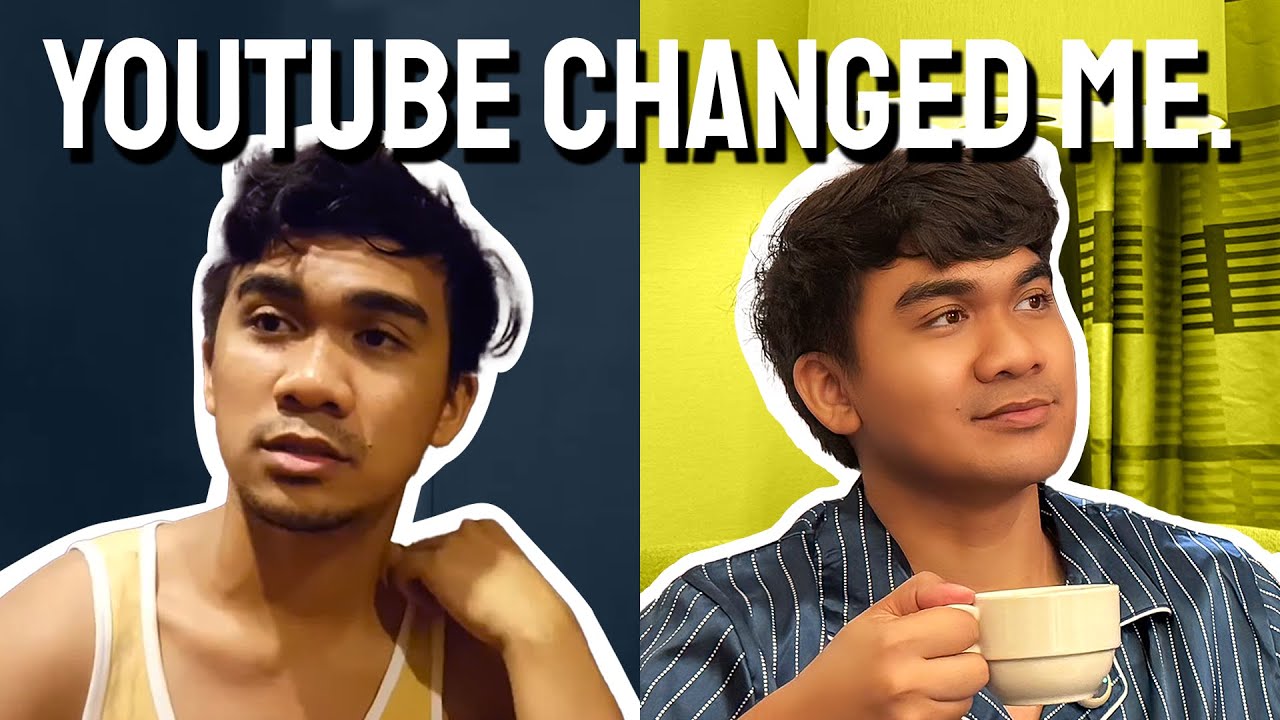
Twelve years of making videos didn't make me famous, but it made me a better creative. Some thoughts on progress, resilience, and measuring the wrong things.
Read entryI've been making videos on YouTube since 2013.
That's a pretty long time when you think about it. Twelve years is enough time for a lot of things to change, and YouTube definitely isn't the same platform it was when I started. Neither am I.
The funny thing is, I never really became "famous" on the platform. I've never had a viral video that suddenly blew up my channel, and there were plenty of times when I'd upload something and barely anyone would watch it.
For a long time, I thought that meant I wasn't really getting anywhere.
But looking back now, I think I was measuring the wrong thing.
YouTube gave me something that numbers couldn't really show: experience. Over the years, I've learned how to draw people in with a thumbnail, write better titles, edit videos, speak more confidently, tell stories, and communicate my ideas. A lot of those skills came from simply making videos over and over again.
Not every video was good. Some were awkward, some were poorly edited, and some probably should have stayed on my hard drive. But each one gave me something to improve on for the next.
I also learned a lot about resilience. There were definitely periods where I stopped making videos because I felt like nobody was watching. Sometimes I'd come back months or even years later and wonder if I should even continue.
But I kept coming back.
I think that's one of the biggest lessons I've taken from YouTube. Progress isn't always obvious while you're experiencing it. Sometimes you're improving without realizing it because you're too focused on the numbers.
And that's something I've started applying to my creative work in general. Whether it's art, design, photography, or making videos, there's always something new to learn. I don't need every project to become a huge success for it to be worthwhile.
Twelve years on YouTube didn't make me famous, but it made me a better creative.
And honestly, I'm pretty happy with that.
I don't know where the next twelve years will take me, but I think I'll keep making things, keep learning, and keep improving along the way. Who knows? Maybe the next video will be the one that finally blows up.
But even if it isn't, I'll still have learned something and enjoyed the process from making it.
Creative burnout is tough — some thoughts on resting, reconnecting, and remembering why you started when the ideas stop coming.
Read entryCreative burnout is tough. When you're used to constantly making things, suddenly feeling like you can't create can be confusing and frustrating. Even simple tasks can feel exhausting, and the things that normally come naturally — coming up with ideas, making decisions, or simply picking up a pencil — can suddenly feel like a chore.
I've experienced this myself, and I think one of the biggest mistakes we can make is forcing ourselves to keep creating when we clearly need a break. Sometimes the best thing you can do for your creativity is to step away from it for a while.
Taking a break doesn't mean you're being lazy or giving up. Sometimes you genuinely need time to recover. Put the work down, get away from your desk, and do something that doesn't require you to be productive.
The important part is making the break meaningful. Don't spend the entire time feeling guilty about not creating. Give yourself permission to rest. You might be surprised by how much easier it is to think once you've had some time to breathe.
When we're focused on our creative work, it's easy to isolate ourselves. We spend hours working alone and slowly forget that there's a whole world outside of whatever we're trying to make.
Spend some time with your friends. Talk to your family. Go outside. Do something completely unrelated to art.
Sometimes inspiration doesn't come from another tutorial or another artwork. Sometimes it comes from a conversation, a funny experience, or simply spending time with people you care about.
When you're burned out, it's easy to focus on deadlines, numbers, clients, and expectations. Eventually, you can forget why you started creating in the first place.
Try to remember what made you want to draw, design, write, photograph, or create in the first place. Maybe it was because you enjoyed making things. Maybe you wanted to tell stories. Maybe you simply liked seeing an idea come to life.
Whatever that reason was, reconnecting with it can help you find your way back.
Burnout doesn't mean you've lost your creativity forever. Sometimes you're simply tired, and there's a difference.
So if you're going through a creative dry spell right now, don't force yourself to immediately become productive again. Rest. Spend time with people. Do things that make you happy. And when you're ready, remember why you started.
Your creativity isn't gone. Sometimes it just needs room to breathe.
New studio vlogs and process videos post regularly on the channel.